If you are thinking about your next family car, there is a good chance an SUV is on your list, and an increasing number of drivers are asking the same question: should it be fully electric, or a plug in hybrid? Both let you drive on electric power, both are far removed from a traditional petrol or diesel car, and a growing number of both are now available on the used market, so you no longer need to buy new to make the switch. The difference lies in how you drive, where you charge and how far you tend to travel.
If you are thinking about your next family car, there is a good chance an SUV is on your list, and an increasing number of drivers are asking the same question: should it be fully electric, or a plug in hybrid? Both let you drive on electric power, both are far removed from a traditional petrol or diesel car, and a growing number of both are now available on the used market, so you no longer need to buy new to make the switch. The difference lies in how you drive, where you charge and how far you tend to travel.
How Does Each Type of SUV Work?
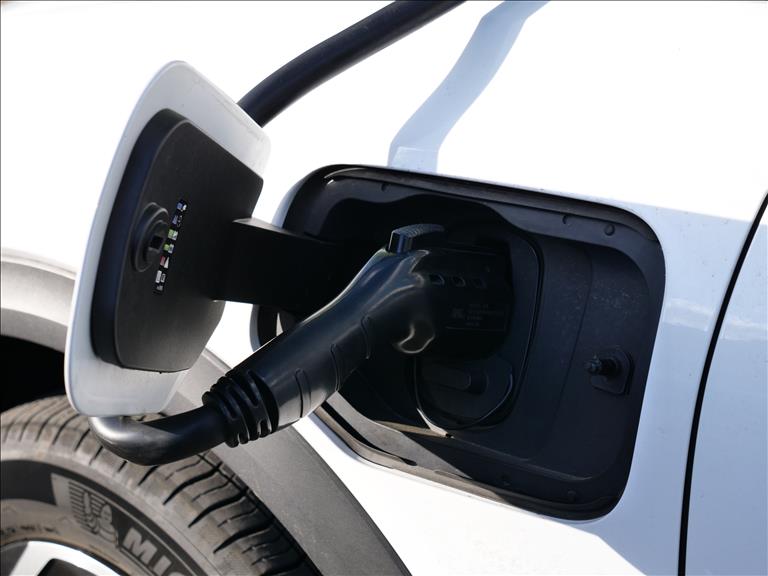
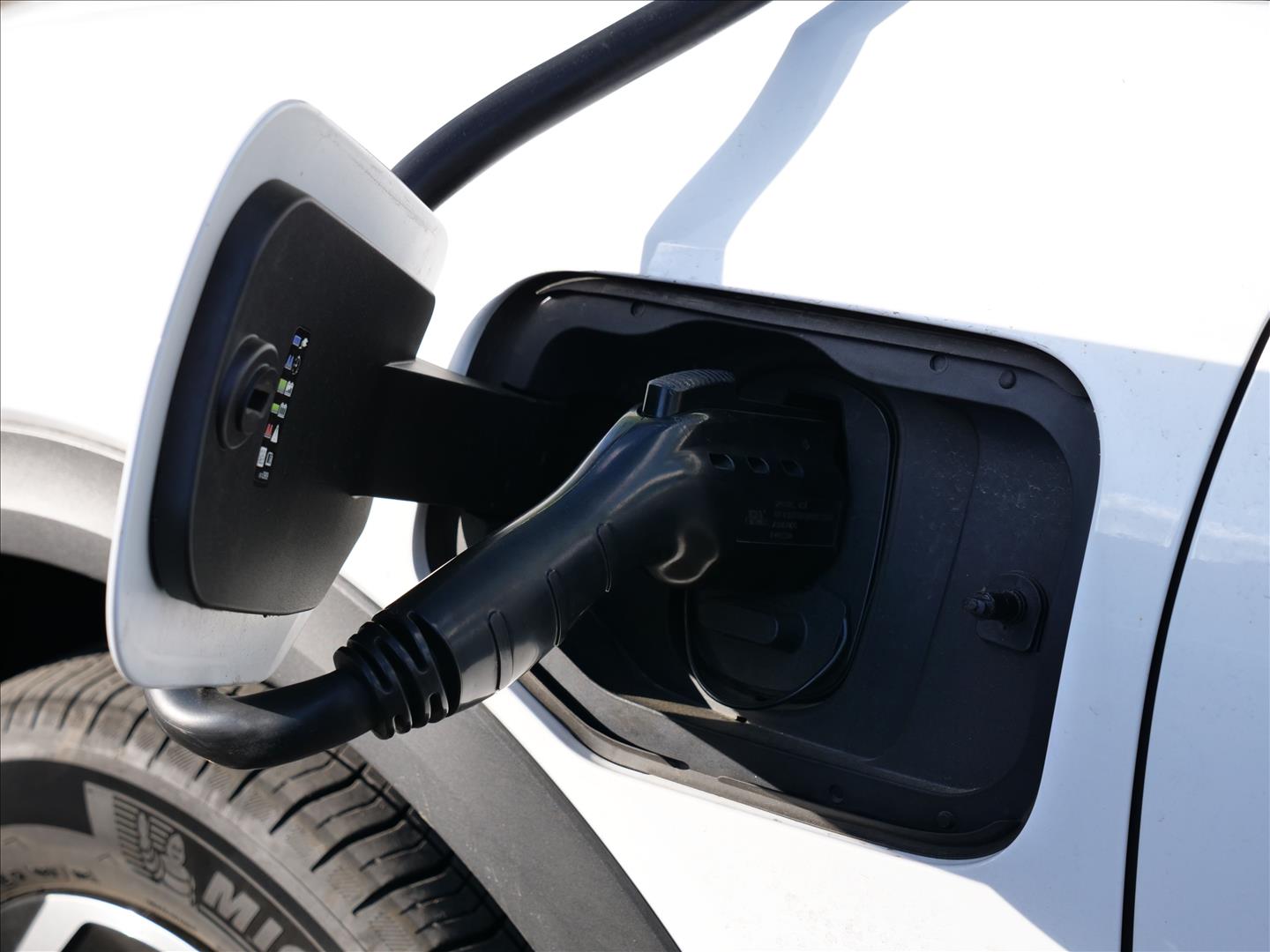
Electric SUVs run entirely on a battery and one or more electric motors. There is no petrol or diesel engine, no exhaust and no fuel tank. You charge the battery at home or at a public charge point, and the car does the rest. Because there is no engine, electric SUVs tend to be quiet, smooth and very simple to drive.
Plug in hybrid SUVs combine a battery and electric motor with a petrol engine. You can charge the battery from a plug, and the car will drive on electric power alone for a set distance before the petrol engine joins in. When the battery runs low, the car carries on as a hybrid, so you can fill up at a petrol station for longer trips.
Plug in Hybrid Electric Range Explained
One of the most important figures to understand with a plug in hybrid is its electric range. This is the distance the car can travel on battery power alone, before the engine is needed. It is measured using the WLTP test, which gives a standardised figure that makes it easier to compare different cars.
In real life, your results will vary with speed, temperature, load and driving style, but the WLTP figure is a useful guide.
Electric range varies widely between models and model years. Earlier plug in hybrid SUVs often had smaller batteries and a more modest electric range, while many newer models can cover considerably more distance on battery power alone. When you are looking at a used plug in hybrid, check the official WLTP electric range for that specific model and year rather than assuming it matches the latest version.
For many drivers, even a modest electric range covers the school run, the commute and a trip to the shops without using any petrol at all, while the engine remains on hand for holidays and longer motorway runs.
The Case for Electric SUVs
There are plenty of reasons electric SUVs have become so popular with UK families.
- Zero tailpipe emissions. An electric SUV produces no exhaust emissions as you drive, which is a real benefit in towns and cities.
- Simple, quiet driving. With no gears to change and no engine noise, electric SUVs are relaxing to drive, particularly in traffic.
- Convenient home charging. If you can charge at home, you can start each day with a full battery, much like charging your phone overnight.
Buying used can also make an electric SUV more accessible. Electric cars have often lost value faster than petrol and diesel equivalents in their early years, which means a used electric SUV can offer plenty of car for the money. Family sized models with a practical boot and room for five are now widely available second hand, making them a realistic option for school runs, weekend trips and holidays.
If you are asking which is the best electric SUV UK drivers can buy, the honest answer is that it depends on your needs. Range, boot space, charging speed, the age and condition of the car and the kind of journeys you make will all influence which car suits you best.
Things to Consider With an Electric SUV
Electric SUVs are not perfect for everyone, and it is worth being realistic about a few points.
- Charging access matters. If you cannot charge at home, you will rely on public charge points, so it is worth thinking about how that would fit into your week.
- Long journeys need a little planning. Rapid charging is quick, but a charging stop differs from a fuel stop.
- Range changes with conditions. Cold weather, motorway speeds and heavy loads can all reduce the distance you get from a charge.
- Battery health is key when buying used. The battery is the most important part of a used electric SUV. Ask about its health, check how much of the manufacturer's battery warranty remains, and look at the range the car shows when fully charged.
None of these are deal breakers, but they often lead drivers to consider a plug in hybrid instead.
The Case for Plug in Hybrid SUVs
Plug in hybrid SUVs offer a flexible middle ground, and for many drivers that flexibility is exactly what they are looking for.
- Electric driving for everyday journeys. Short trips can be completed on battery power alone.
- No range worries. The petrol engine means you can travel as far as you like without planning charging stops.
- A gentle step into electric motoring. If you are not ready to go fully electric, a plug in hybrid lets you get used to charging and electric driving at your own pace.
- Suited to mixed driving. If your week includes both short local journeys and longer motorway trips, a plug in hybrid is designed to handle both.
This makes a used plug in hybrid a popular choice for drivers who want to try electric driving without committing fully, particularly if they regularly travel longer distances.
Things to Consider With a Plug in Hybrid SUV
As with electric SUVs, plug in hybrids come with their own trade offs.
- You need to plug in to get the benefit. A plug in hybrid works best when it is charged regularly. If it is rarely plugged in, you will not make the most of its electric range.
- Two powertrains to look after. With both an engine and a battery, a plug in hybrid has more components than a fully electric car.
- Electric range is shorter. Battery sizes are smaller than in a fully electric SUV, so the distance you can cover on electric power alone is more limited.
- Check the history when buying used. Look for a full service history covering both the engine and the hybrid system, and make sure the charging cable comes with the car.
Plug in Hybrid vs Electric Car: A Quick Comparison
In short, a fully electric SUV offers the longest electric driving distance and the simplest drivetrain, but relies on charging. A plug in hybrid offers a shorter electric range with a petrol engine to carry on beyond it, and can refuel at any petrol station. Both can handle short everyday journeys on electric power.
What About Smaller Electric Cars?
An SUV is not the only way to go electric, and it is worth asking whether you need the extra size. For town driving, short commutes and getting around Carlisle, Kendal, Penrith or Southport, a compact electric hatchback can be a very sensible option.
Used compact electric cars are widely available and often cost less than a larger electric SUV. Many offer enough range for a typical week of local driving and still have a usable boot, all in a smaller, easier to park package.
Which One Should You Consider?
Rather than thinking about which type of car is better, it is more helpful to think about which suits you. Here are a few questions that can help:
- Can you charge at home? If you have a driveway or a home charge point, an electric SUV becomes much easier to live with. If not, a plug in hybrid may feel more flexible.
- How far do you drive in a typical week? If most of your journeys are within a plug in hybrid's electric range, you could do much of your driving on electric power alone.
- How often do you take long trips? Regular motorway journeys may favour a plug in hybrid, although many electric SUVs now handle long trips well with a little planning.
- How do you feel about charging? If you like the idea of a simple, engine free car, electric could be the right fit. If you would like a safety net, a plug in hybrid offers that.
- How old a car are you happy with? Newer used models generally offer a longer electric range and faster charging, while older examples can cost less to buy. Deciding where your priorities sit will help narrow down the search.
The right car is the one that fits the way you actually live and drive.
Find Your Next Used SUV at David Hayton Autostore
Nothing beats seeing a car in person. David Hayton Autostore is a family run motor group established in 1966, with used car sites across Carlisle, Kendal, Penrith and Southport. Our used stock changes regularly and can include electric and plug in hybrid SUVs alongside petrol and diesel models, so it is worth browsing our latest cars online.
Our friendly team can talk you through how each car works, what the electric range means for your daily routine and what to look for in a used electric or plug in hybrid, with no pressure at all. Browse our used cars online, get in touch with us today, or visit your nearest site to arrange a test drive and see which option feels right for you.
Frequently Asked Questions
What is the difference between an electric SUV and a plug in hybrid SUV?
An electric SUV runs entirely on a battery and has no petrol or diesel engine. A plug in hybrid SUV has both a battery and a petrol engine, so it can drive on electric power for a set distance and then continue using petrol.
Do plug in hybrid SUVs need to be plugged in?
They can run without being plugged in, using the petrol engine, but they work best when charged regularly. Plugging in lets you use the electric range for everyday journeys.
How far can a plug in hybrid drive on electric power?
It varies by model and year. Older plug in hybrid SUVs typically offer a shorter electric range than many newer models, so it is worth checking the official WLTP figure for the exact car you are considering. Real world figures depend on how and where you drive.
Is a plug in hybrid better than an electric car?
Neither is better for everyone. A plug in hybrid offers flexibility for longer trips, while a fully electric car offers a simpler drivetrain and a longer electric range. The right choice depends on your journeys and your charging options.
Can I charge an electric SUV at home?
Yes, many drivers charge at home using a home charge point, and it is usually the easiest way to keep the battery topped up.
What should I check when buying a used electric or plug in hybrid SUV?
Ask about battery health and any remaining battery warranty, check the service history, make sure the charging cable is included and confirm the range the car shows when fully charged. Our team can talk you through these points on any car you are interested in.